

Europe's IT power demand is forecast to grow at a compound annual rate of 17 percent through 2031, and the region's data center sector already has real economic weight behind it. The European Data Centre Association's 2026 report credits colocation data centers with contributing 53 billion euros to the continent's GDP in 2025 alone, partly by advancing Europe's 2030 energy, water, and climate targets, on top of the 176 billion euro investment pipeline forecast through 2031. Access to power and cooling innovation remain the two biggest open challenges the report identifies. That scale did not happen overnight. Every job posting on this site, every technician, engineer, and project manager role, sits on top of a building industry that is barely 30 years old in its modern form.
The Early Years: Telecom Rooms and the Dot Com Boom
Before "data center" was a household term, most server infrastructure in Europe lived in telecom exchange buildings and bank basements, purpose built for phone switching and repurposed for servers as the internet arrived. The dot com boom of the late 1990s created the first wave of dedicated, purpose built facilities. Colocation providers began constructing standalone buildings specifically to house racks of servers for multiple customers, rather than a single company's own IT department.
London, Frankfurt, Amsterdam, and Paris emerged early as hubs, thanks to dense fiber connectivity, financial sector demand, and central geography.
The Cloud Era: Hyperscalers Arrive
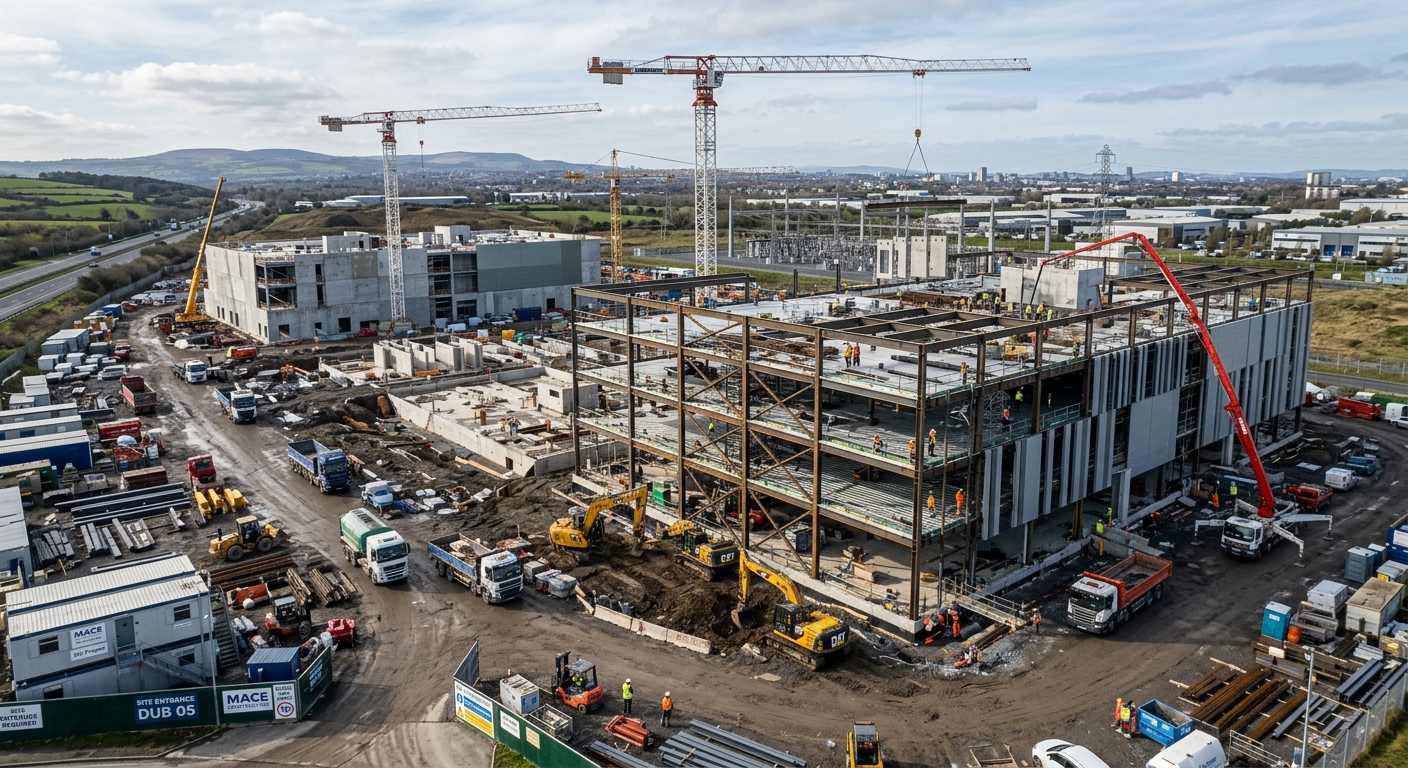
The 2008 financial crisis slowed general construction, but it coincided with something bigger, the early buildout of cloud computing. Amazon Web Services, Microsoft, and Google began constructing their own dedicated facilities across Europe rather than renting colocation space, marking a shift from building for many tenants to building for one company, at enormous scale. This period cemented the FLAP-D markets, Frankfurt, London, Amsterdam, Paris, and Dublin, as Europe's primary data center construction corridor.
Scaling Up: The Hyperscale Expansion
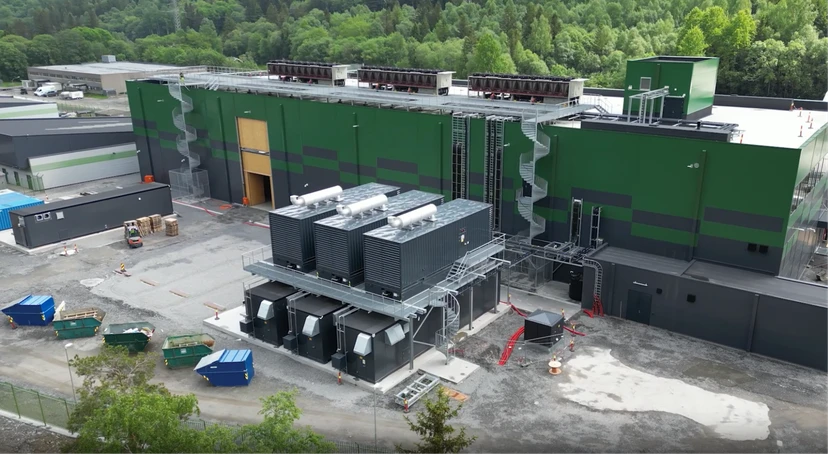
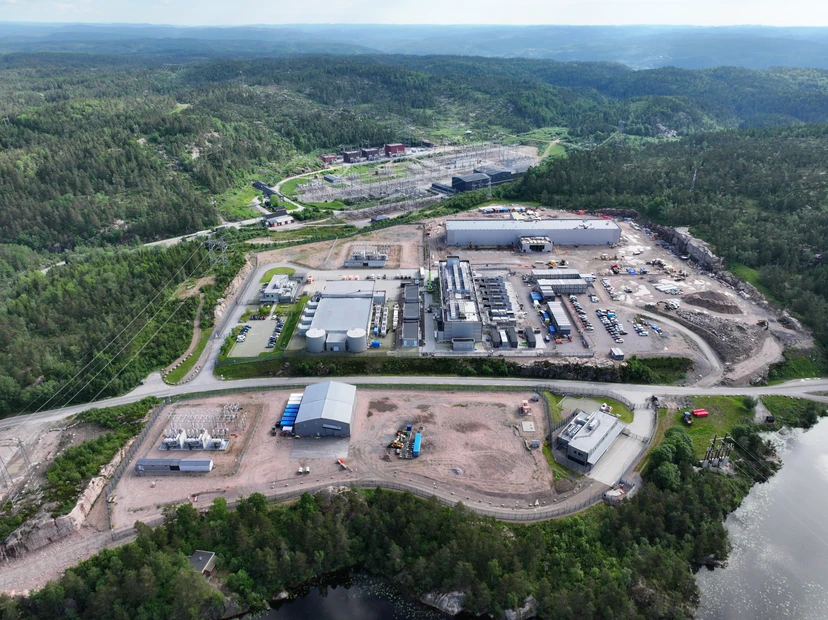
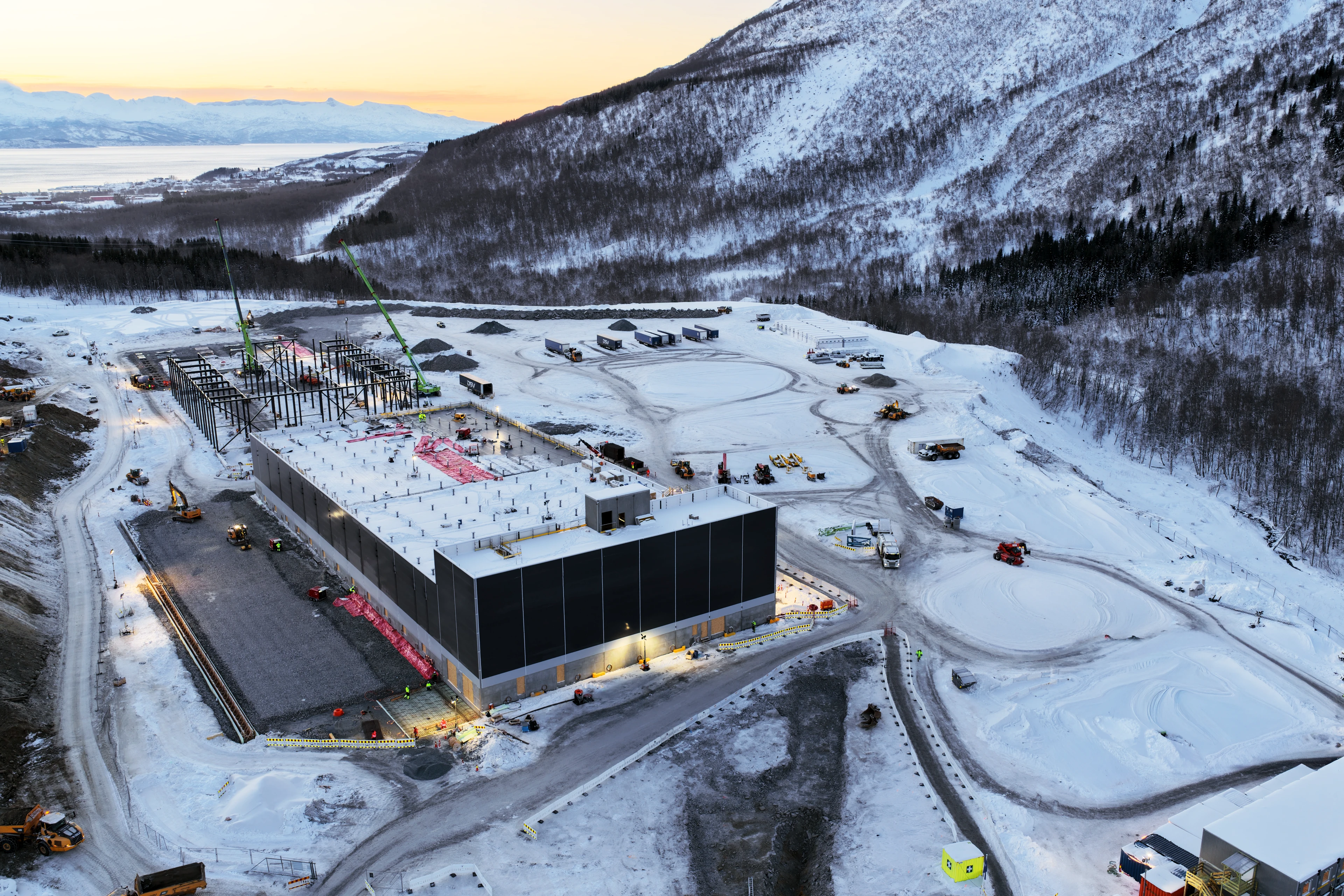
By the mid 2010s, facilities weren't just getting more numerous, they were getting dramatically larger. Hyperscale campuses spanning hundreds of thousands of square meters became normal, and prefabricated, modular construction methods let developers cut build times. Sustainability entered the construction conversation seriously during this period, and Nordic countries began attracting interest because their cold climate reduced cooling costs.
Where the Market Stands Now: 2026
Germany now has the most data centers in Europe at 529 facilities, just ahead of the UK's 523, with France, the Netherlands, and Italy completing the top five. The FLAP-D markets still account for over 45% of European operational capacity, even as growth increasingly happens elsewhere. The European Data Centre Association's 2026 report forecasts the 176 billion euros in cumulative investment mentioned above, and separate coverage from Data Center Knowledge confirms growth will be constrained primarily by grid readiness rather than access to capital.
Constraint Has Become the Story
Here is the twist the history does not predict. Grid capacity, not land or capital, is now the binding constraint on new construction in Europe's core markets. Connection queues in the FLAP-D cluster can run 7 to 10 years against a typical construction window of 18 to 24 months. Ireland and the Netherlands have both introduced restrictions on new data center grid connections in specific regions, and Frankfurt's operators are now building 30 to 40 miles outside the city to find available power. This has pushed real construction activity toward the Nordics, Iberia, and Central and Eastern Europe.
What This Means for Careers Today
Every phase of this history created a different kind of job. The colocation era needed technicians and facilities staff. The hyperscale era needed construction project managers and electrical engineers at a scale the industry hadn't seen before. The current, power constrained, AI driven era needs both of those, plus a genuinely new category of specialist: people who understand grid connections, on site power generation, and high density cooling systems.
If you are building a career in this industry, understanding which phase the market is in is one of the most useful things you can do for your own trajectory.
Want to Work on the Next One?
Browse Data Center Construction Roles
Sources: European Data Centre Association, 2026 State of European Data Centers report; Data Center Knowledge coverage of the EUDCA report; IMARC Group, Europe Data Center Market analysis (2026); Mordor Intelligence, Europe Data Center Market report; Sentisight, "European Countries With the Most Data Centers 2026."